
Vaccinating Your Puppy
Register for Your FREE Puppy Starter Package*
Set your puppy up for life with our FREE starter package. Includes a nose-to-tail health check, first and second core vaccinations, and microchipping if required.
*T&Cs apply. One puppy starter package per household. Excludes kennel cough, third booster vaccination & parasite treatment. Healthy puppies only.
Bringing a new puppy home is exciting, but it also comes with a big responsibility. Vaccinations are one of the easiest ways to give your newest member of the family a healthy start in life and keep them protected from diseases.
Why Puppy Vaccinations Are Important
Vaccines protect your newest family member from serious diseases, some of which can be life-threatening. Common illnesses include:
Parvovirus: causes severe vomiting, life-threatening dehydration, and diarrhoea
Distemper: affects the respiratory, gastrointestinal, and nervous systems
Hepatitis: can damage the liver
Leptospirosis: can affect the kidneys and spread to humans
Your pup’s first injection also protects the wider dog community, keeping parks and playdates safe for everyone.
When To Vaccinate Your Puppy
Puppies usually start their first vaccines around 8 weeks old, with follow-up s every 3–4 weeks until 16 weeks. Understanding the timing of puppy vaccinations is important to keep your pup fully protected.
Some vaccines, like Leptospirosis and Kennel Cough, may be given as a separate injection depending on your area or lifestyle. Your vet will tailor the schedule to your puppy’s needs. Contact us, and we’ll guide you through the right vaccination schedule based on your puppy’s age, breed and lifestyle.
Call/WhatsApp +44 (0)20 3011 1032 Email hello@virtuevets.com
Vet visits should be a positive experience for both you and your puppy, so we aim to ensure your experience is stress-free and calm. In your puppy’s first consultation, we will also discuss their diet and early behavioural habits to create a personalised care plan.
Tips for a Stress-Free First Vet Visit
Bring your puppy’s favourite toy or blanket – familiar smells are comforting
Stay calm yourself – puppies pick up on your energy
Reward good behaviour – treats after the injection make it positive
Ask questions – your vet can explain each vaccine and any side effects
Remember: a short, gentle visit now can prevent serious illness later.
After the Vaccine
Your puppy might feel a little tired or have a mild swelling at the injection site; this is normal. Serious reactions are very rare.
Monitor for: mild lethargy, decreased appetite, slight soreness
Call your vet immediately if: vomiting, diarrhoea, swelling of the face, or difficulty breathing occurs
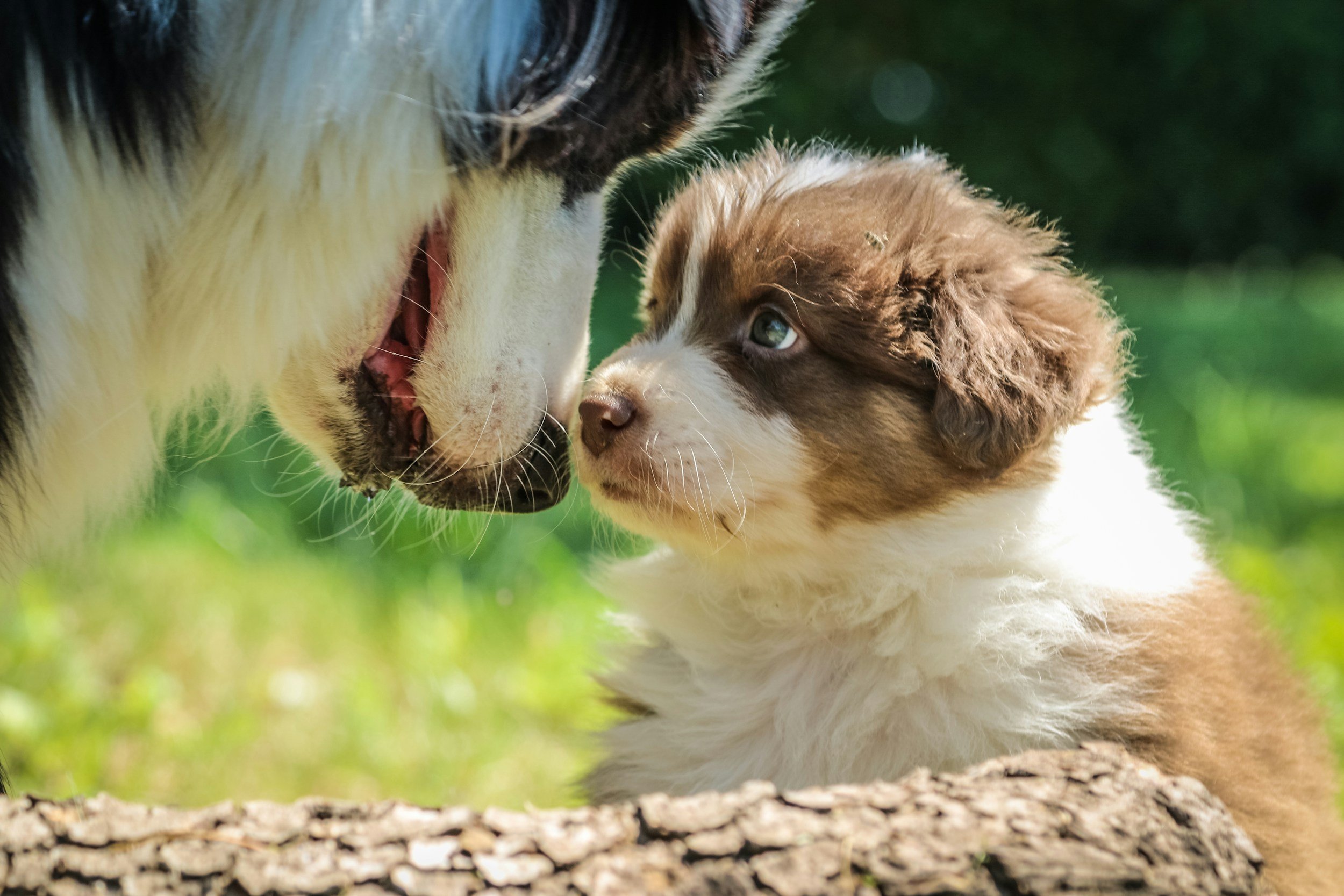
Socialising Your Puppy
Until your pup is fully vaccinated, do not allow exposure to unknown dogs or public areas. Focus on safe, controlled introductions with vaccinated dogs and gentle handling by friends and family.
At Virtue Vets, we understand that your puppy isn’t just a pet; they’re family. Our team is here to guide you through vaccinations with:
Gentle, patient handling
Clear explanations for each vaccine
Tailored vaccination schedules for your puppy
A warm, welcoming environment where pups feel safe
Find out about Puppy Training School. Click below
Visit our Services & Prices page to learn more, or book an appointment today: Call/WhatsApp +44 (0)20 3011 1032 Email hello@virtuevets.com