
Stem Cell Treatment For Osteoarthritis
Using your pet's own cells to calm arthritic joints
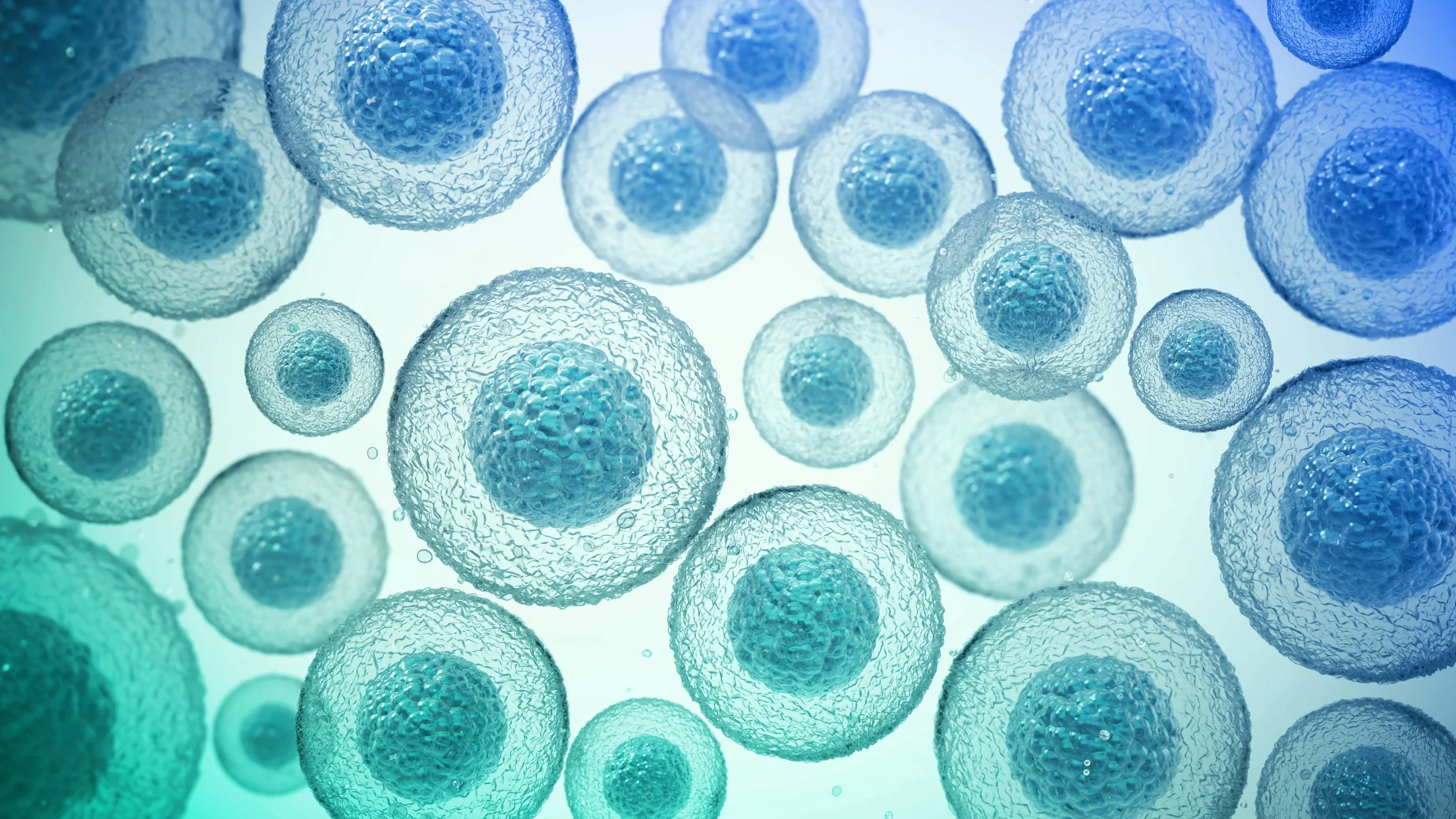
Stem cells as regenerative treatment
Osteoarthritis
Osteoarthritis (OA) is one of the most common reasons pets slow down as they get older. Cartilage thins, inflammation settles into the joint, and everyday things like stairs, sofas, longer walks and jumping onto a favourite windowsill gradually become harder work.
Painkillers, weight management and physiotherapy remain the foundation of good arthritis care, and for many pets they're enough. But for those who need more, or whose owners would like to reduce long-term medication, stem cell therapy offers something different. Rather than only masking the pain, it works on the joint environment itself.
At Virtue Vets, stem cell therapy sits alongside the rest of our osteoarthritis careand our wider regenerative medicineservice. It isn't a cure, because no treatment for OA is, but for the right patient it can meaningfully change how comfortable they are day to day.
What Stem Cells Actually Do
The cells we use are mesenchymal stem cells (MSCs), collected from your pet's own body fat. Fat is one of the richest and most accessible sources of these cells, and because they're your pet's own, there's no risk of rejection.
Once injected into an arthritic joint, MSCs behave less like building blocks and more like managers. They:
Release signals that dampen the chronic inflammation driving OA pain
Encourage the joint lining to produce healthier joint fluid
Support the repair and protection of remaining cartilage
Help modulate the immune activity that keeps the joint irritated
In other words, they work on the cause of the discomfort rather than simply interrupting the pain signal on its way to the brain.
How The Treatment Works
Stem cell therapy is carried out in two stages, several weeks apart. The gap matters, because it's the time the laboratory needs to grow a genuinely therapeutic number of cells.
Assessment And Suitability
Every case begins with a full orthopaedic examination, blood tests to confirm your pet is a suitable candidate for regenerative therapy, and radiographs to understand exactly which joints are involved and how far the disease has progressed. We'll also review current medication, weight and activity levels, which matter just as much to the outcome as the treatment itself.
We only recommend proceeding when we genuinely believe your pet will benefit.
Stage One: Harvesting The Cells
A small sample of fat is collected under a short general anaesthetic, usually through a small incision on the abdomen. The procedure takes under an hour and your pet goes home the same day, back to normal within a day or two. Where it's appropriate, we'll administer complementary regenerative treatments at the same time, typically platelet-rich plasma (PRP) or joint fluid replacement, so your pet gets the benefit of those while the stem cells are being prepared.
The Laboratory Stage
The sample goes to the laboratory, where the stem cells are isolated, cultured and expanded into many millions, then activated and counted before release. This takes around four weeks. Surplus cells are cryopreserved and banked, which means any future treatment can go straight to injection, with no second harvest procedure and a lower cost.
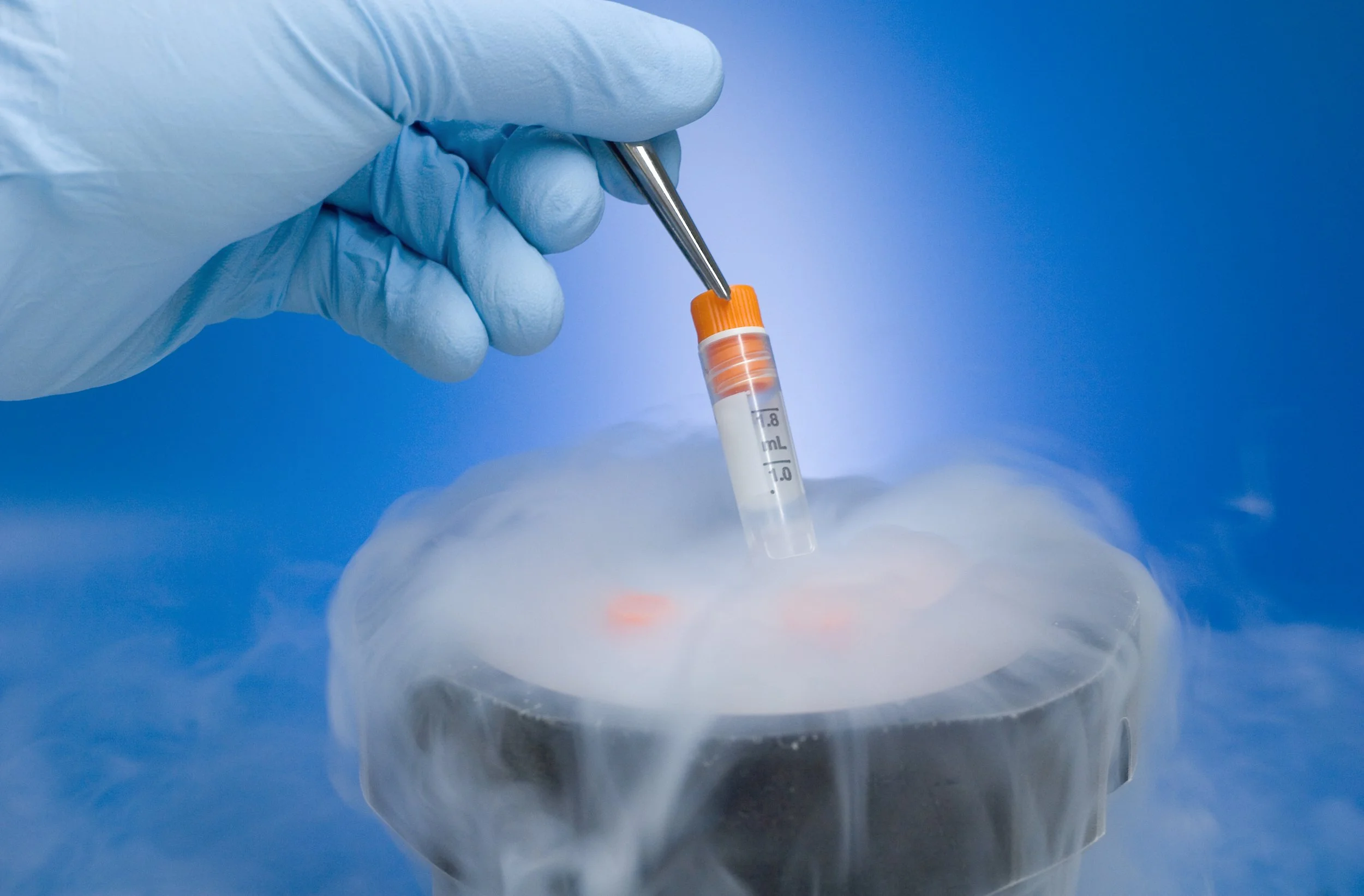
Stem cells are cryopreserved for future use
Stage Two: Injecting The Joints
At a follow-up appointment, the prepared cells are injected directly into the affected joints under sedation or a brief anaesthetic, so placement is precise and comfortable. Several joints can be treated in the same session. Your pet goes home the same day.
Recovery And Rehabilitation
We'll give you a clear plan for the weeks that follow: initial rest, then a gradual, structured return to activity. Pairing treatment with physiotherapy and hydrotherapy consistently produces better results than the injection alone, and because our hydrotherapy centre and clinics are all in central London, that rehabilitation happens close to home rather than at the end of a long drive.
What A Course Of Treatment Includes
Full consultation, orthopaedic examination and treatment recommendations
Blood tests to confirm suitability for regenerative therapy
Radiographs of the affected joints
PRP injection at the time of harvest
Isolation, culture, activation and counting of stem cells
Injection of stem cells into the affected joint or joints
Cryopreservation and storage of surplus cells for future use
A structured follow-up plan at 30, 60, 90, 180 and 360 days
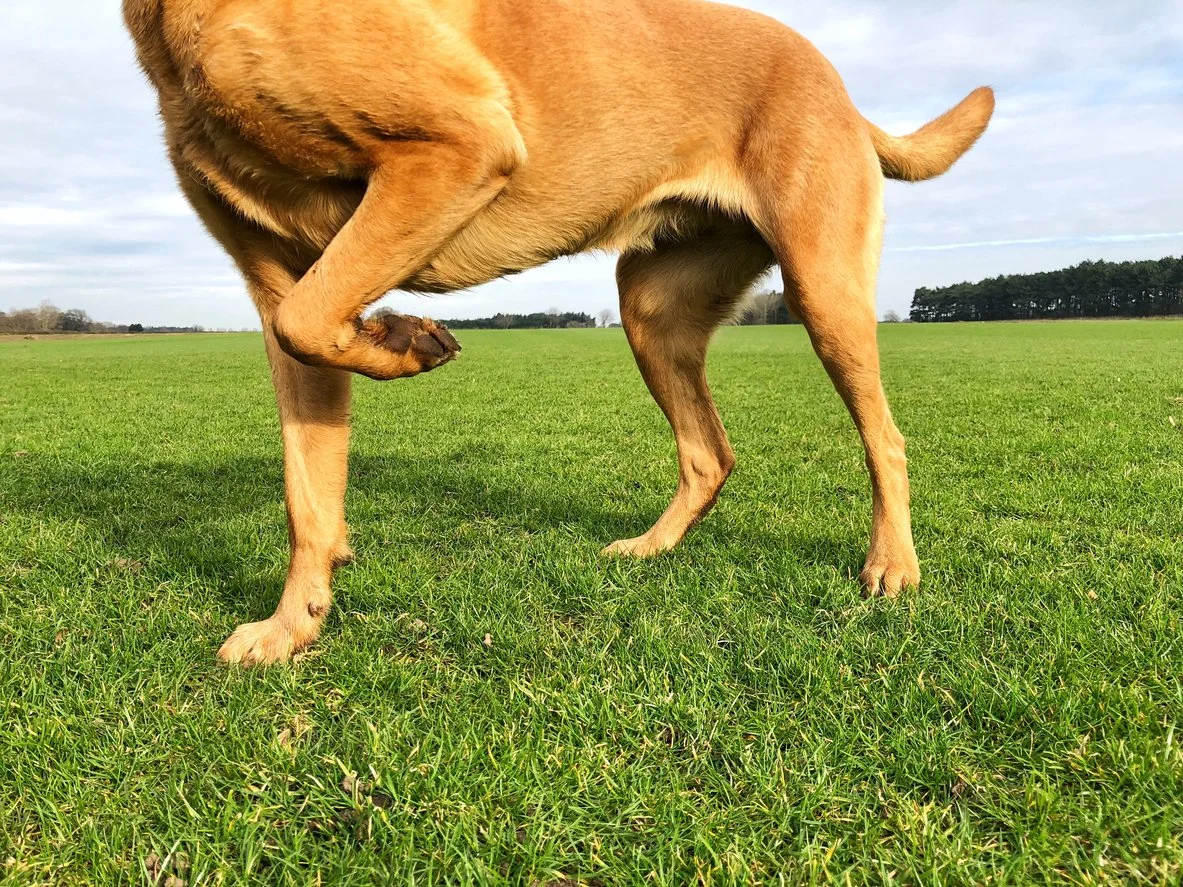
What To Expect Afterwards
Stem cell therapy is not an overnight fix. Improvement is usually gradual, and most owners report meaningful gains in comfort and mobility within around three months of treatment.
It tends to show up in small, telling ways first: rising more easily in the morning, taking the stairs again, wanting a longer walk, or a cat returning to a perch they'd quietly given up on. Where treatment works well, benefits can last many months before a repeat dose is considered.
Responses do vary, which is why the follow-up schedule exists. We reassess at each stage and adapt the wider plan of medication, weight and rehabilitation around what we're actually seeing.
Which Pets Are Good Candidates
Stem cell therapy tends to suit pets who:
Have confirmed osteoarthritis affecting one or several joints
Are still reasonably mobile, rather than in the very final stages of joint disease
Aren't tolerating anti-inflammatories well, or whose owners want to reduce long-term medication
Have arthritis following an injury or surgery, such as cruciate disease or dysplasia
Are healthy enough for a brief anaesthetic
Age is rarely the deciding factor, and neither is how long the arthritis has been there. We've seen good responses in long-standing cases as well as recent ones. What matters more is the condition of the joint itself. Where a joint is severely damaged or mechanically unstable, surgery may be the better conversation, and we'll say so.
Cost And Insurance
Costs depend on how many joints are being treated and what else your pet's plan involves, so we'll discuss this fully and transparently at the consultation before anything is committed to.
Regenerative treatments are covered by many pet insurance policies. We're happy to help you seek pre-authorisation from your insurer so you know where you stand before treatment begins. Where treatment reduces the amount of daily medication a pet needs, it can also bring down ongoing costs, and because we bank surplus cells, any future top-up is considerably less expensive than the first course.
It Works Best As Part Of A Plan
We rarely recommend stem cell therapy on its own. It sits most comfortably within a multimodal approach, combined with PRP, laser therapy, physiotherapy and hydrotherapy, weight management, and, where appropriate, Librela for dogs or Solensia for cats. Each element supports the others.
As with everything we do, the aim isn't simply to treat a joint. It's to keep your pet comfortable, mobile and enjoying the things they love, for as long as possible.
Call/WhatsApp +44 (0)20 3011 1032 or Email hello@virtuevets.com to find out more