
Diabetes Management
Getting blood sugar back under control, and life back to normal
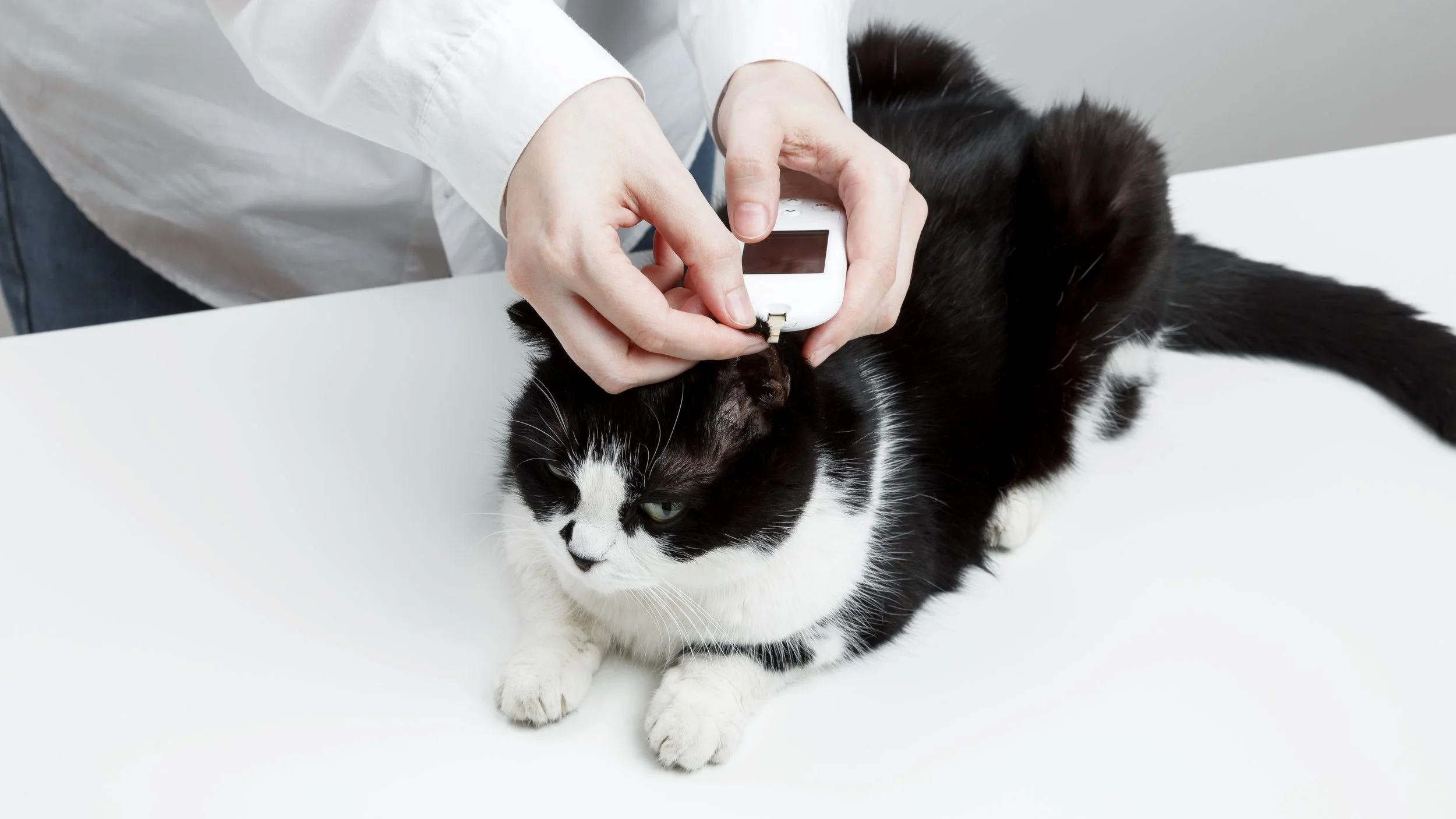
Blood Sugar Test
Diabetes
Diabetes is one of the more common conditions we manage in middle-aged and older pets, and one of the most misunderstood. It means the body can no longer regulate blood sugar properly, either because the pancreas isn't producing enough insulin, or because the body has stopped responding to it. It shows up most often in overweight cats and unneutered female dogs, usually as a cluster of small changes that are easy to miss at first: drinking more, urinating more, weight loss despite a good appetite, and a noticeable drop in energy.
Left untreated, diabetes leaves pets tired, thirsty and steadily losing condition, and over time it can lead to serious complications, including cataracts in dogs and a dangerous crisis called ketoacidosis, a build-up of acids in the blood. Caught early, none of this needs to happen. Diabetes is very manageable once the right routine is in place, and some cats even go into remission when treatment begins promptly.
What Diabetes Does To The Body
Once the pancreas or the body's response to insulin falls out of balance, blood sugar has nowhere useful to go. Rather than fuelling the body's cells, it builds up in the bloodstream and starts to cause problems of its own. Unmanaged, it can:
Push the body into constant thirst and urination as it tries to flush out excess sugar
Break down fat and muscle for energy, causing weight loss even with a healthy appetite
Lead to cataracts and vision loss in dogs
Tip into ketoacidosis, a genuine emergency caused by a build-up of acids in the blood
Leave pets flat, lethargic and steadily less like themselves
In other words, the goal of treatment isn't just to bring a number down. It's to stop this chain of effects before it takes hold.
How We Diagnose And Stabilise Diabetes
Diagnosis is straightforward, and stabilisation is a process we manage closely with you over the following weeks.
Diagnosis
We run blood and urine tests in our in-house laboratory, usually with same-day answers, so you're not left waiting to know what you're dealing with.
Stabilisation: Finding The Right Dose
Stabilisation takes place over the first few weeks, with dose adjustments guided by glucose monitoring. This is mostly done through day visits, and an overnight stay is only needed if your pet is very unwell at diagnosis. We start your pet on insulin alongside a tailored diet, since consistent feeding times and weight management do a great deal of the work alongside the medication itself.
Home Injections
We'll teach you how to give injections confidently at home. The needles are very fine, and most pets barely notice them, most owners are surprised by how quickly it becomes just another part of the daily routine.
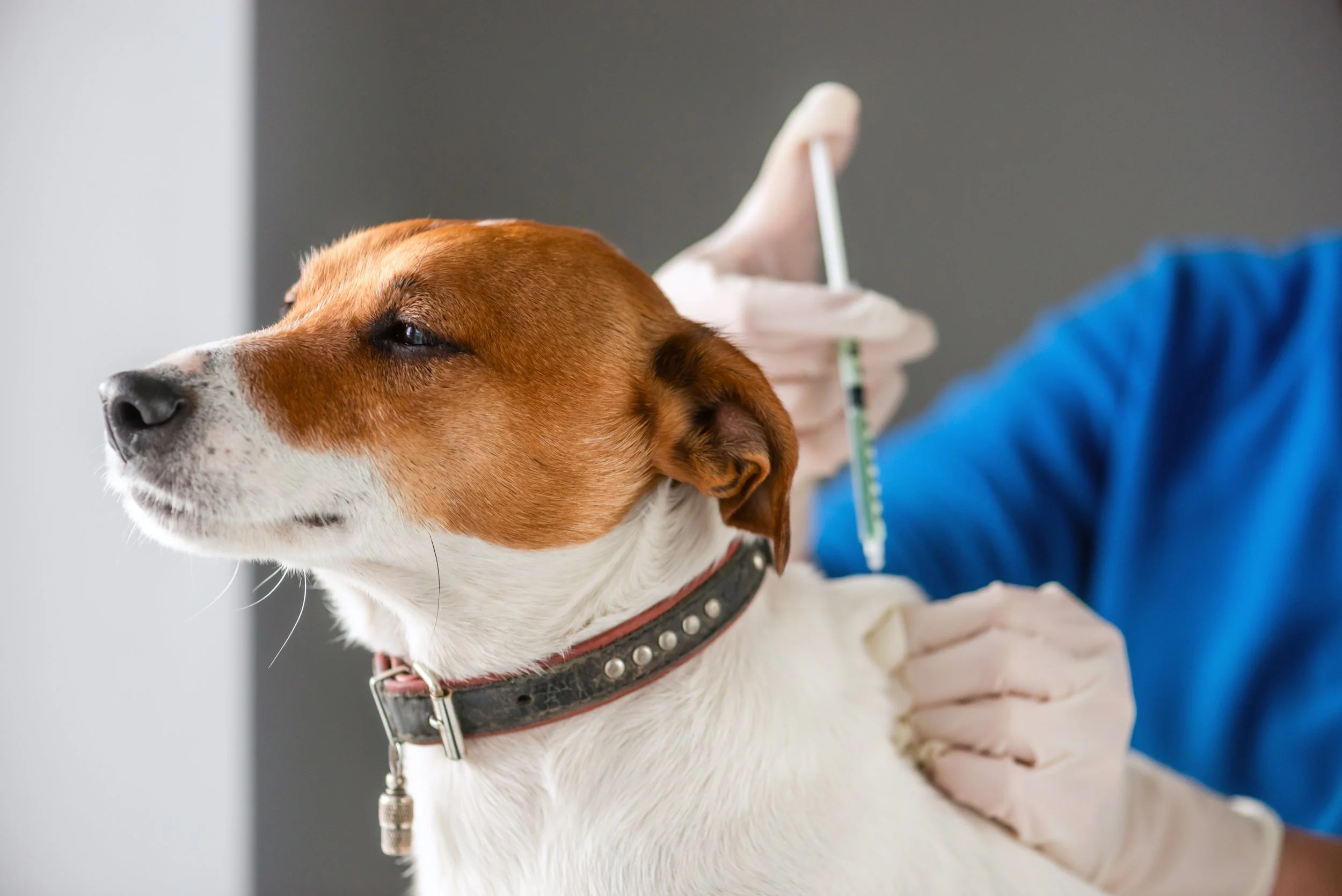
Insulin Injections
Living Well With A Diabetic Pet
Once stabilised, most diabetic pets look and behave like themselves again: energetic, bright, and back to a healthy weight. Life at home settles into a calm, predictable rhythm of injections at home twice daily and periodic check-ups to keep everything on track, and you'll know exactly what to watch for and when to call us. With good control, diabetic dogs and cats go on to enjoy long, happy lives.
What Ongoing Care Includes
In-house blood and urine testing to confirm diagnosis
A tailored insulin dose, adjusted through the stabilisation period
Hands-on training in giving injections at home, until you feel confident
Dietary guidance suited to your pet's species and weight
Glucose monitoring to guide dose changes
Regular check-ups once your pet is stable
What To Expect Over Time
Diabetes management isn't a single fix, it's a rhythm that settles in over the first few weeks and then becomes routine. Most owners find the injections and monitoring become second nature far sooner than they expected. Dogs typically manage diabetes as a lifelong but very stable condition; some cats, particularly those treated early with insulin, diet and weight loss, go into remission and no longer need injections, though they still need ongoing monitoring to stay that way.
Signs To Watch For
Diabetes tends to announce itself gradually, so it's worth knowing what to look out for, particularly if your pet is:
Middle-aged or older
An overweight cat
An unneutered female dog
Drinking or urinating noticeably more than usual
Losing weight despite a good, or even increased, appetite
Lower in energy than usual, or generally "just not themselves"
A consultation and some simple blood and urine tests are usually all it takes to confirm what's going on.
Cost And Insurance
Fixed prices are listed on our Services and Prices page, and we'll always give you a clear, itemised estimate before any work begins, with no hidden extras. We accept all pet insurance policies and can help with pre-authorisation and claims.
Diabetes Care Is A Team Effort
We rarely see diabetes managed well in isolation from the rest of a pet's care. It sits alongside weight management, diet and, where relevant, treatment for any other age-related conditions, each part supporting the others. As with everything we do, the aim isn't simply to bring a number back into range. It's to keep your pet comfortable, energetic and enjoying life, for as long as possible.
Call/WhatsApp +44 (0)20 3011 1032 or Email hello@virtuevets.com to find out more