
Endocrine Disease
Small glands, whole-body effects, and treatment that works fast for hyperthyroidism, hypothyroidism, and other hormonal conditions
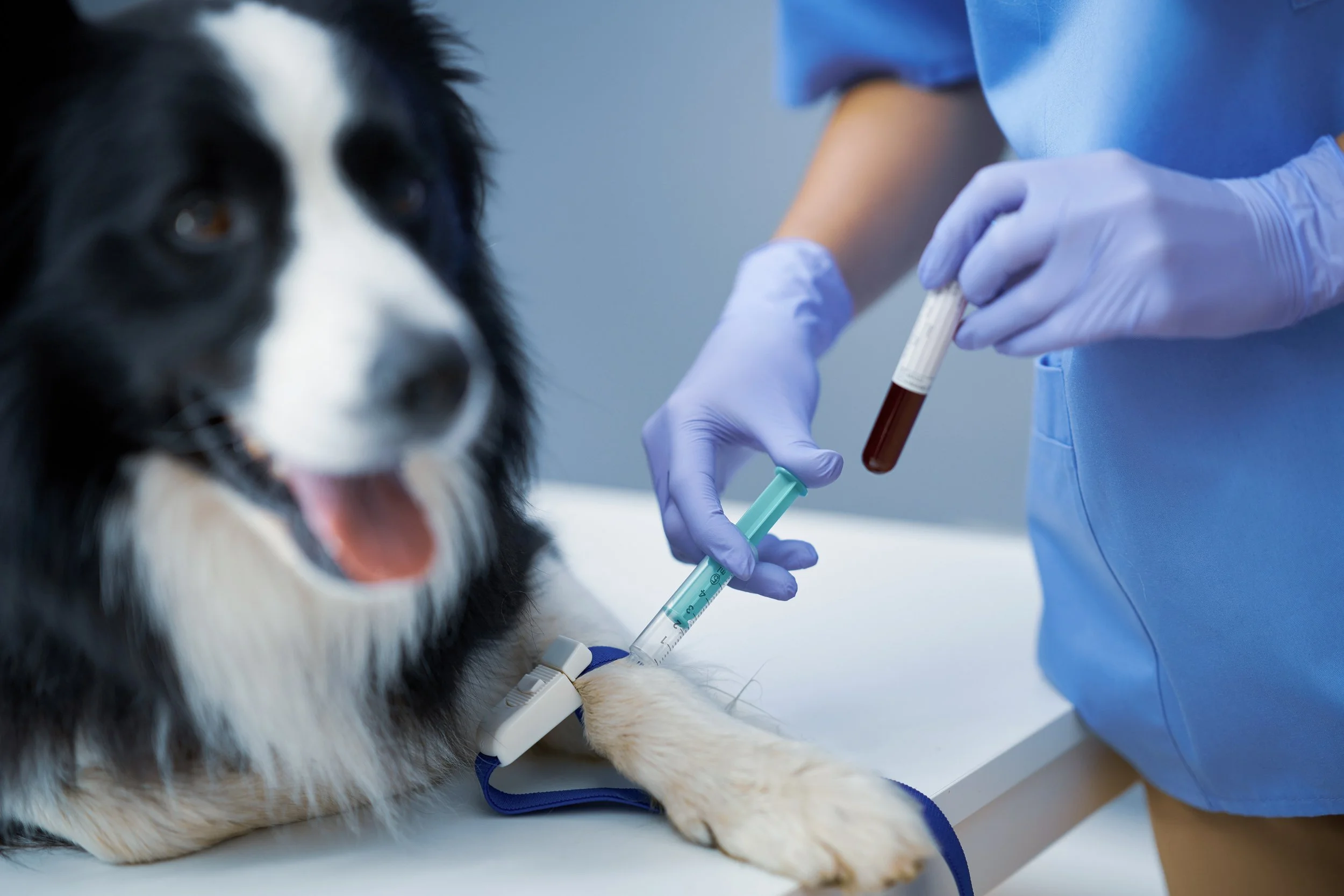
Blood testing for thyroid and hormonal conditions
Endocrine Disease
Endocrine diseases are hormonal conditions, where the body produces too much or too little of a hormone that regulates metabolism, water balance or the response to stress. The most common we see are an overactive thyroid in older cats, an underactive thyroid in middle-aged dogs, and Cushing's disease in older dogs, an excess of the stress hormone cortisol. Because hormones touch so much of the body at once, the signs tend to appear gradually: changes in weight, appetite, thirst, coat and energy.
Untreated, these conditions wear pets down in every respect. Cats with an overactive thyroid lose weight despite eating a great deal, and the condition places real strain on the heart. Dogs with Cushing's disease or an underactive thyroid lose energy, coat and condition. These changes are so gradual they're often mistaken for normal ageing, which is exactly what delays treatment. The reality is far more encouraging: once treatment is established, most pets return to their usual selves remarkably quickly.
What Endocrine Disease Does To The Body
Because hormones regulate so much of day-to-day function, an imbalance rarely stays contained to one system. Left unaddressed, it can:
Drive weight loss despite a large appetite, in cats with an overactive thyroid
Place added strain on the heart, particularly in feline hyperthyroidism
Cause energy, coat quality and condition to decline in dogs with Cushing's disease or an underactive thyroid
Increase thirst and urination as the body's water balance shifts
Produce changes so gradual they're easily mistaken for ordinary ageing, delaying diagnosis
Recognising these as a hormonal condition rather than "just getting older" is often the biggest step toward getting a pet back to themselves.
How We Diagnose And Treat Endocrine Disease
Diagnosis is quick and non-invasive, and treatment tends to show results faster than owners expect.
Diagnosis
Testing needs only blood samples taken during a normal appointment, run through our in-house laboratory, often with same-day answers. There's no anaesthetic and no overnight stay, though some conditions require a short series of timed samples taken over a morning with us.
Treatment
Hormonal conditions are managed with a daily medication matched to your pet's results. Thyroid conditions are typically controlled with tablets, and there are other options for cats with an overactive thyroid that we're happy to discuss with you. Cushing's disease is managed with daily capsules.
Ongoing Monitoring
Rechecks are frequent at first, while we establish the right dose, then settle to every few months, which keeps treatment both safe and accurately adjusted as your pet's needs change.
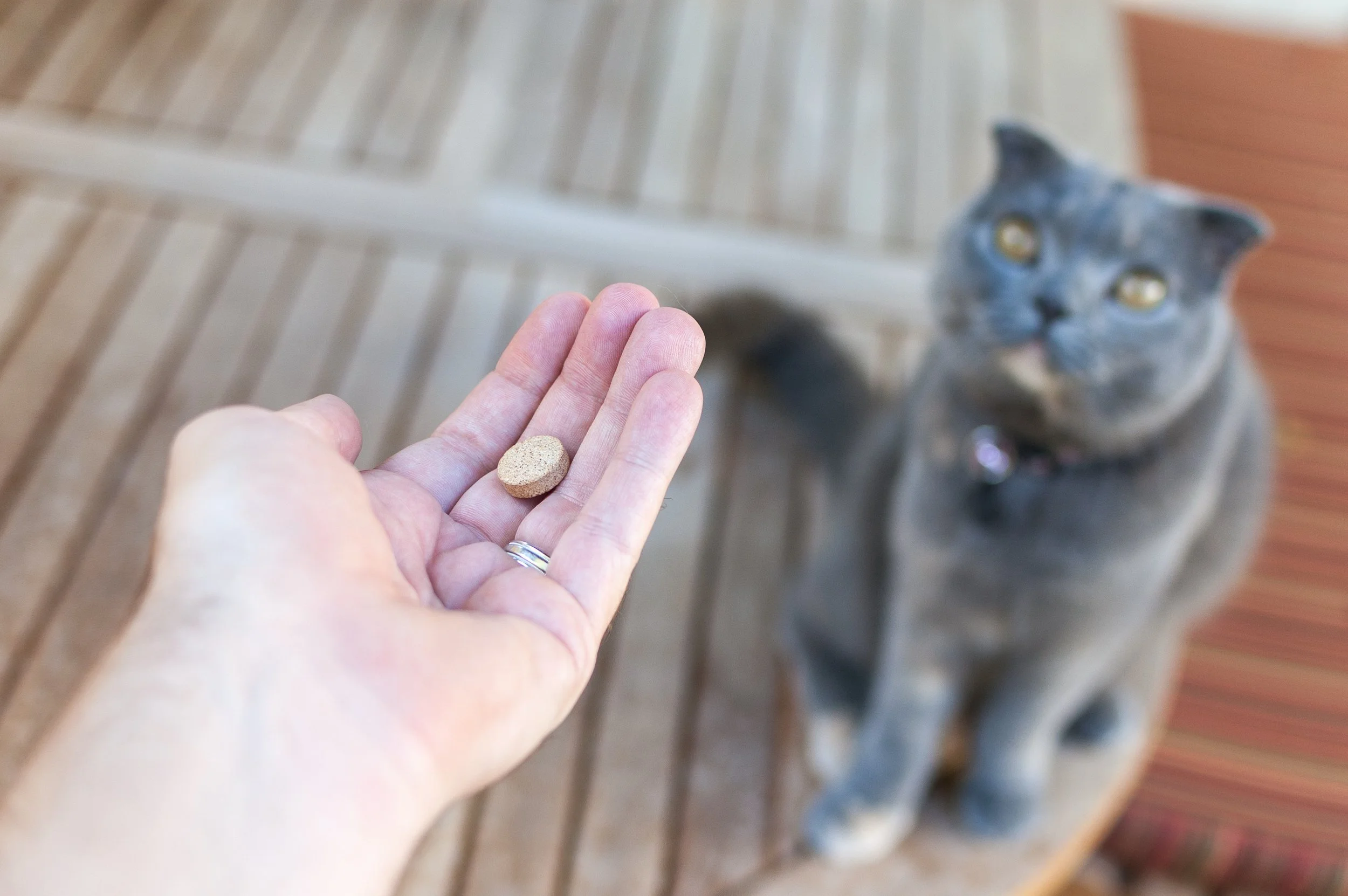
Daily medication administration
Life With A Managed Hormonal Condition
This is one of the most rewarding areas of veterinary medicine. Within weeks of starting treatment, owners often tell us their pet seems years younger, weight steadies, coats regrow, and energy and character return. Treatment is usually lifelong, but it's simple and fits easily into mealtimes. With regular monitoring, pets with a managed endocrine condition go on to enjoy long, comfortable and entirely normal lives.
What Ongoing Care Includes
Blood testing through our in-house laboratory, often same-day
A daily medication tailored to your pet's specific condition and results
Frequent rechecks while the right dose is established
Ongoing monitoring every three to six months once stable
Discussion of curative options where relevant, such as for some cats with an overactive thyroid
What To Expect Over Time
Most pets improve noticeably within a few weeks of starting the right dose, with the full effect showing over two to three months. Many owners tell us their pet seems years younger once treatment is established. Most endocrine conditions are controlled rather than cured, though some cats with an overactive thyroid have curative options worth discussing, either way, daily life on treatment is entirely normal.
Signs To Watch For
Hormonal conditions are easy to write off as ageing, so it's worth having a low threshold for a blood test if your pet, particularly an older one, shows:
A change in weight despite normal feeding
A noticeably large appetite
Increased thirst and urination
A distended abdomen
A thinning coat or changes to the skin
Altered energy levels
Any gradual, unexplained change in an older pet deserves a blood test.
Cost And Insurance
Fixed prices are listed on our Services and Prices page, and we'll always give you a clear, itemised estimate before any work begins, with no hidden extras. We accept all pet insurance policies and can help with pre-authorisation and claims. [Link: /services-prices]
Hormonal Health Is A Team Effort
We manage endocrine disease as an ongoing partnership, diagnosis, medication and monitoring working together, adjusted as your pet's results change over time. As with everything we do, the aim isn't just to correct a number on a blood test. It's to get your pet back to feeling, and acting, like themselves.
Call/WhatsApp +44 (0)20 3011 1032 or Email hello@virtuevets.com to find out more