
Chronic Kidney Disease
Slowing kidney disease down, so your pet stays comfortable for longer
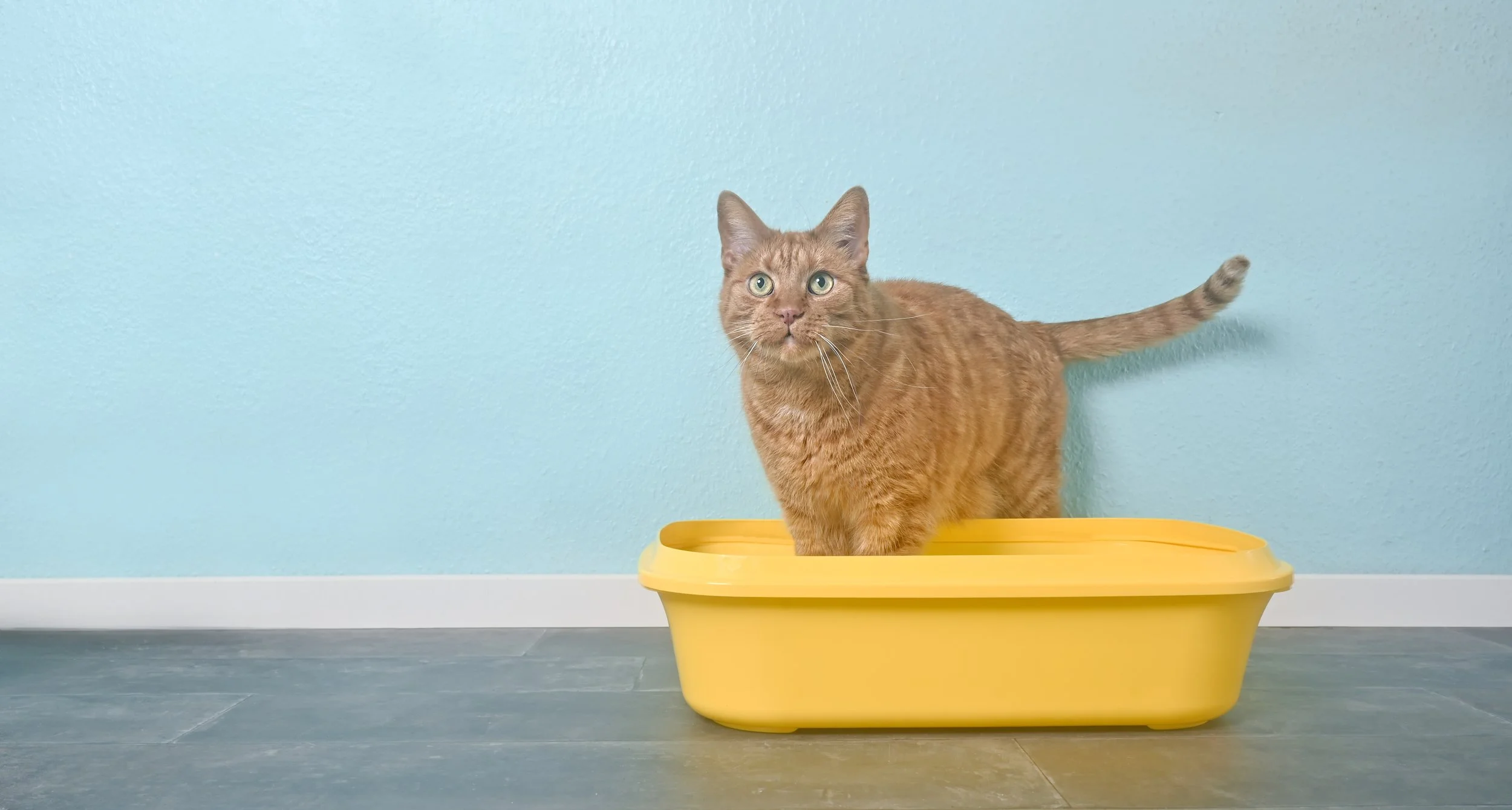
Excessive urination is often an early sign of kidney disease in cats
Chronic Kidney Disease
Chronic kidney disease means the kidneys are gradually losing their ability to filter waste and balance the body's water. It's especially common in older cats, affecting a large proportion of those over ten, and it occurs in dogs too. The trouble is that kidneys compensate quietly for a long time, so signs like increased thirst, weight loss and a reduced appetite often appear only once the disease is already well established.
Kidney tissue can't regenerate, so the whole approach is about protecting what remains. Left unmanaged, kidney disease causes nausea, weight loss and a gradual decline in wellbeing. Found early, through routine screening rather than waiting for your pet to look unwell, its progress can be slowed considerably, often adding years of good-quality life.
What Kidney Disease Does To The Body
Because the kidneys fail so gradually, the effects build quietly in the background long before anything looks wrong. Left unaddressed, they:
Allow waste products to build up in the bloodstream, driving nausea and poor appetite
Reduce the body's ability to concentrate urine, so thirst and urination both increase
Lead to steady weight loss and a duller coat as condition declines
Put added strain on blood pressure, which in turn puts more strain on the kidneys
Cause a slow decline in energy and general wellbeing
This is why the aim of treatment isn't to reverse the damage, which isn't possible, but to slow it down and keep your pet comfortable for as long as possible.
How We Diagnose And Manage Kidney Disease
Diagnosis is simple and non-invasive, and management is about staying ahead of change rather than reacting to it once symptoms appear.
Diagnosis
Diagnosis needs only a blood sample and a urine sample, both run through our in-house laboratory. There's no anaesthetic and no overnight stay involved, and answers are often available the same day. We'll also check blood pressure, since the kidneys and blood pressure are closely linked.
Treatment: Diet, Hydration And Medication
We manage the condition with tailored kidney diets, hydration support and regular blood and urine monitoring. Kidney diets are the single best-proven treatment we have, because they ease the workload on the kidneys directly. Where needed, medications can control blood pressure, protein loss and nausea. Every plan is matched to your pet's individual results and adjusted as circumstances change.
Ongoing Monitoring
Management follows a steady rhythm of check-ups every few months, a brief examination, a weight check and repeat samples, so we can adjust the plan before problems develop rather than after.
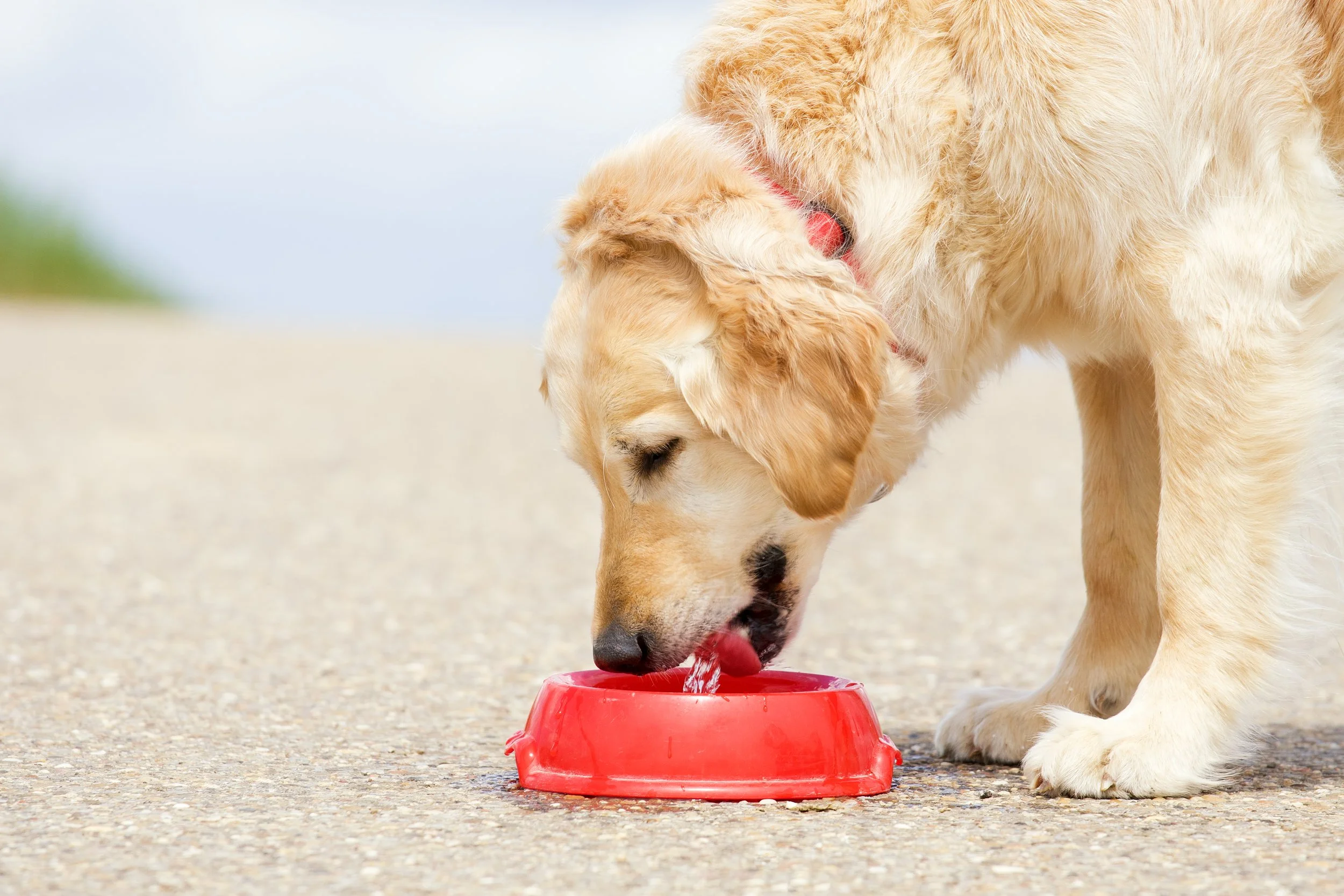
Excessive drinking is a sign to watch for
Living Well With Kidney Disease
Most pets whose kidney disease is well managed live comfortably for years, particularly when it's identified early. At home, your part is straightforward: feed the kidney diet, keep fresh water available at all times, and keep an eye on appetite and weight. Water fountains are particularly effective for encouraging cats to drink. This is a condition we manage together over the long term, and we'll give you honest updates at every stage so you always know where things stand.
What Ongoing Care Includes
In-house blood and urine testing to confirm and stage the disease
Blood pressure checks, given how closely linked it is to kidney function
A tailored prescription kidney diet, introduced gradually
Medication for blood pressure, protein loss or nausea where needed
Hydration support and practical tips for encouraging drinking
Check-ups every three to six months once stable, to catch changes early
What To Expect Over Time
Kidney disease can't be cured, but it responds well to consistent management. Many pets, especially cats diagnosed early, go on to enjoy years of good-quality life once diet, hydration and monitoring are in place. Progress is tracked through regular blood and urine testing, so any change in stage is caught and addressed early rather than left to develop.
Signs To Watch For
Kidney disease often shows few or no signs early on, which is exactly why screening matters, particularly if your pet is:
A cat over roughly seven years of age
An older dog
Drinking or urinating noticeably more than usual
Losing weight or losing interest in food
Looking duller in coat or lower in energy than usual
Occasionally vomiting
A simple blood and urine test is usually all it takes to check.
Cost And Insurance
Fixed prices are listed on our Services and Prices page, and we'll always give you a clear, itemised estimate before any work begins, with no hidden extras. We accept all pet insurance policies and can help with pre-authorisation and claims.
Kidney Care Is A Team Effort
We manage kidney disease as a long-term partnership rather than a one-off fix, diet, hydration, monitoring and medication all working together, adjusted as your pet's results change. As with everything we do, the aim isn't just to manage a number on a blood test. It's to keep your pet comfortable and enjoying life for as long as possible.
Call/WhatsApp +44 (0)20 3011 1032 or Email hello@virtuevets.com to find out more